To celebrate Mirazur’s anniversary, Mauro Colagreco created something far beyond a conventional commemorative dinner. For this occasion, he invited Ferran Adrià, one of the most influential figures in the history of gastronomy, to act as curator of an ephemeral menu: a retrospective, immersive, and almost theatrical journey through the identity of Mirazur.
This event was the sole reason for my trip to the French Riviera.
Of course, once I had committed to flying to France for one dinner, it only made sense to make the most of it. The trip itself was designed with a far more relaxed, go-with-the-flow rhythm than usual, though I already had several notable stops planned: Le Louis XV, La Chèvre d’Or, Château Eza, and Le Cap, with more to be added as the days unfold.
Still, Mirazur was the centerpiece.
Having never had the opportunity to experience elBulli, my excitement for this evening could hardly be overstated. Ferran Adrià’s influence on modern gastronomy is almost impossible to quantify, and the idea of encountering his creative language through the lens of Mauro Colagreco’s flagship restaurant felt incredibly special. My only previous experience with Mauro’s cooking had been at Florie’s, his restaurant at the Four Seasons in Palm Beach, so this would be my first time experiencing Mirazur in Menton.
Upon arriving on the French Riviera, I made my way to Menton, where I would be meeting a friend for the dinner. We had been asked to arrive thirty minutes before our reservation, a detail that already suggested the evening would be more than a traditional meal.
At the gates of Mauro’s flagship restaurant, we were warmly greeted by the front-of-house team and given a brief glimpse into the kitchen before being introduced to our “guide” for the evening. She explained that she would be taking us on a journey through the minds of Ferran and Mauro, a fitting introduction to what was about to unfold.
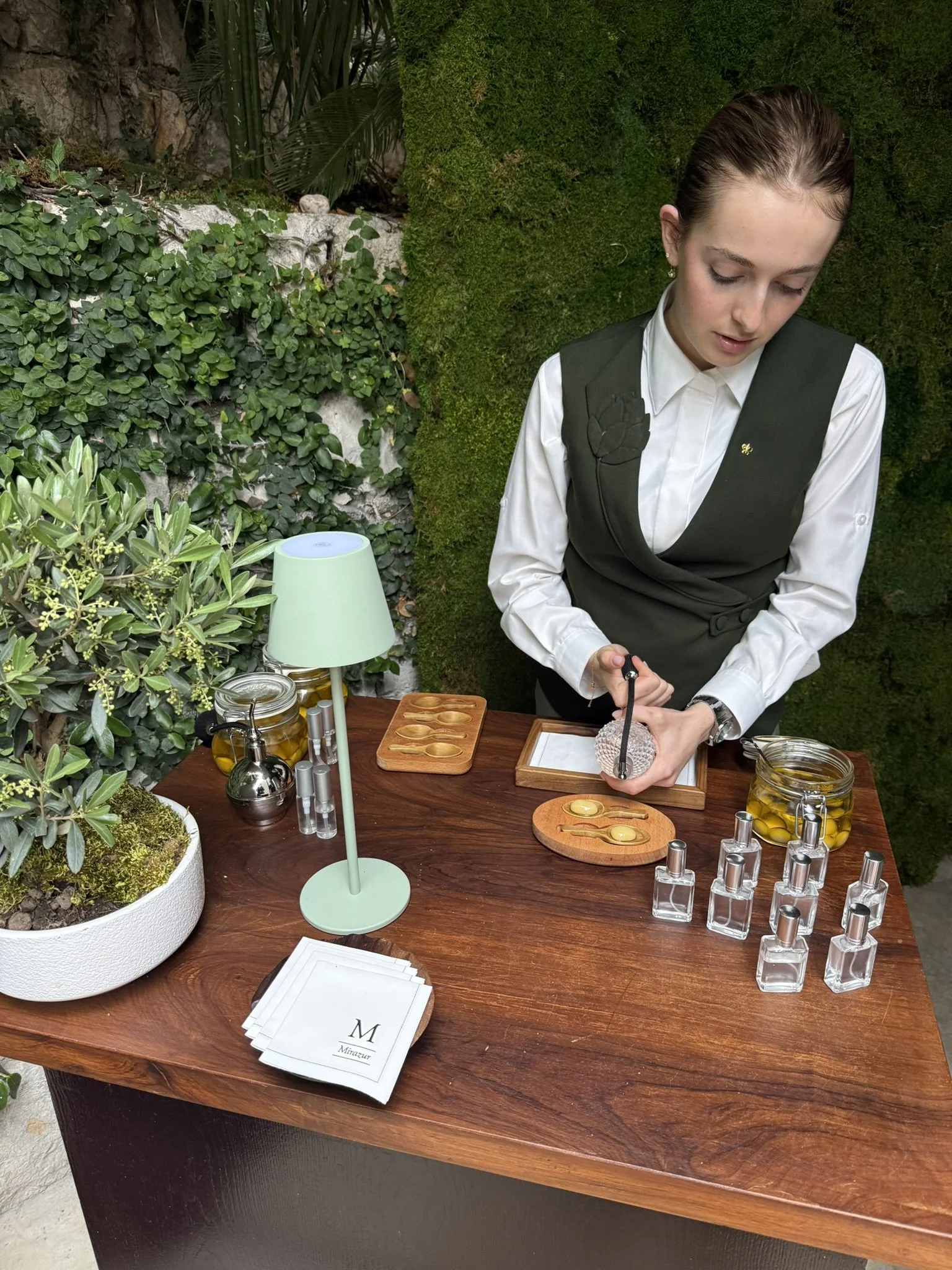
We descended to the patio, where we were met with our first bite: a playful take on a dirty martini. A spherified olive was placed before us, with instructions to pop it into our mouths before spraying a gin and vermouth mixture directly after. The olive burst instantly, bright and saline, followed by the aromatic hit of the spray. It was vibrant, clever, and a wonderfully disarming way to begin the evening. (8.0 /10)
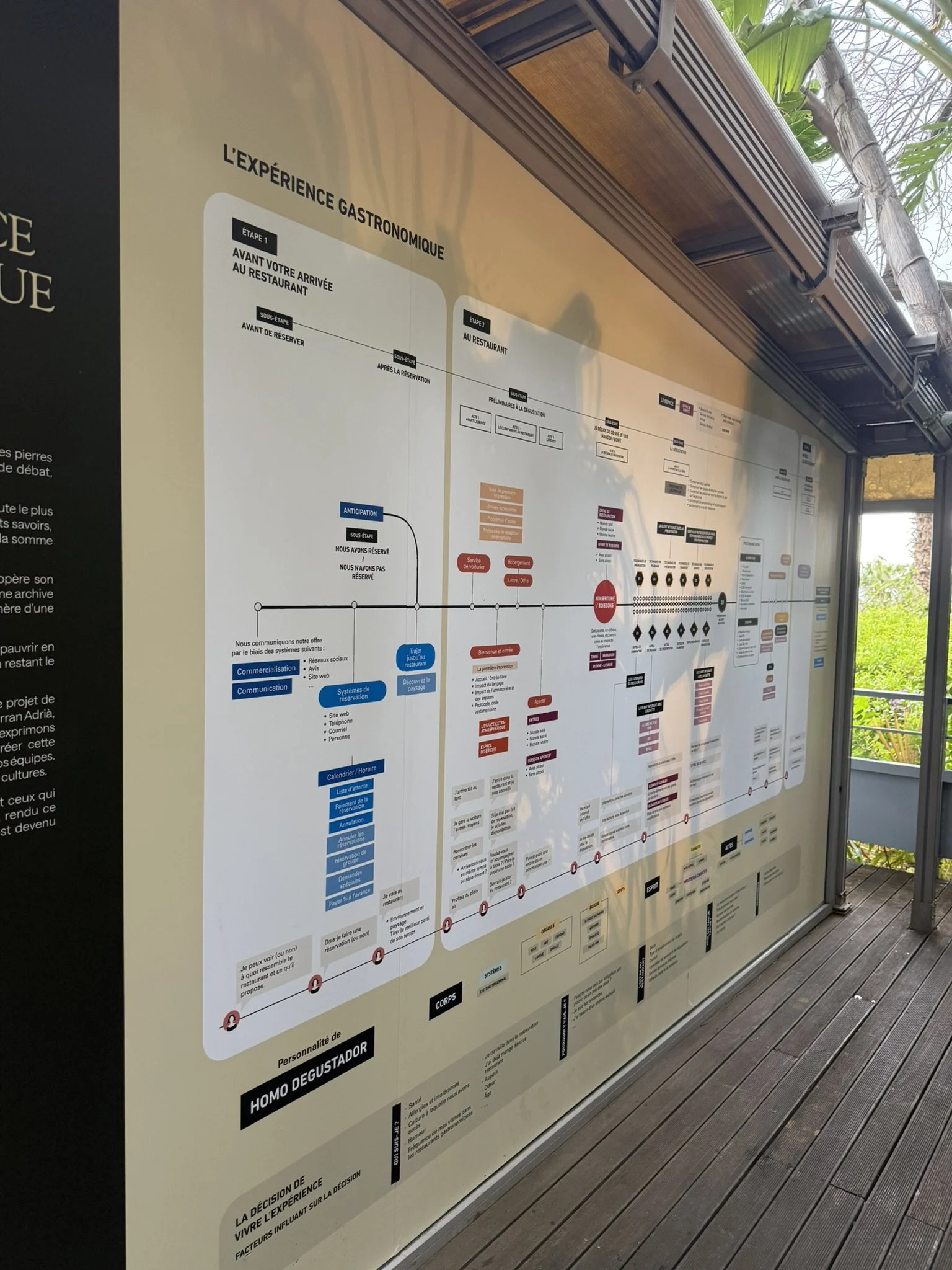
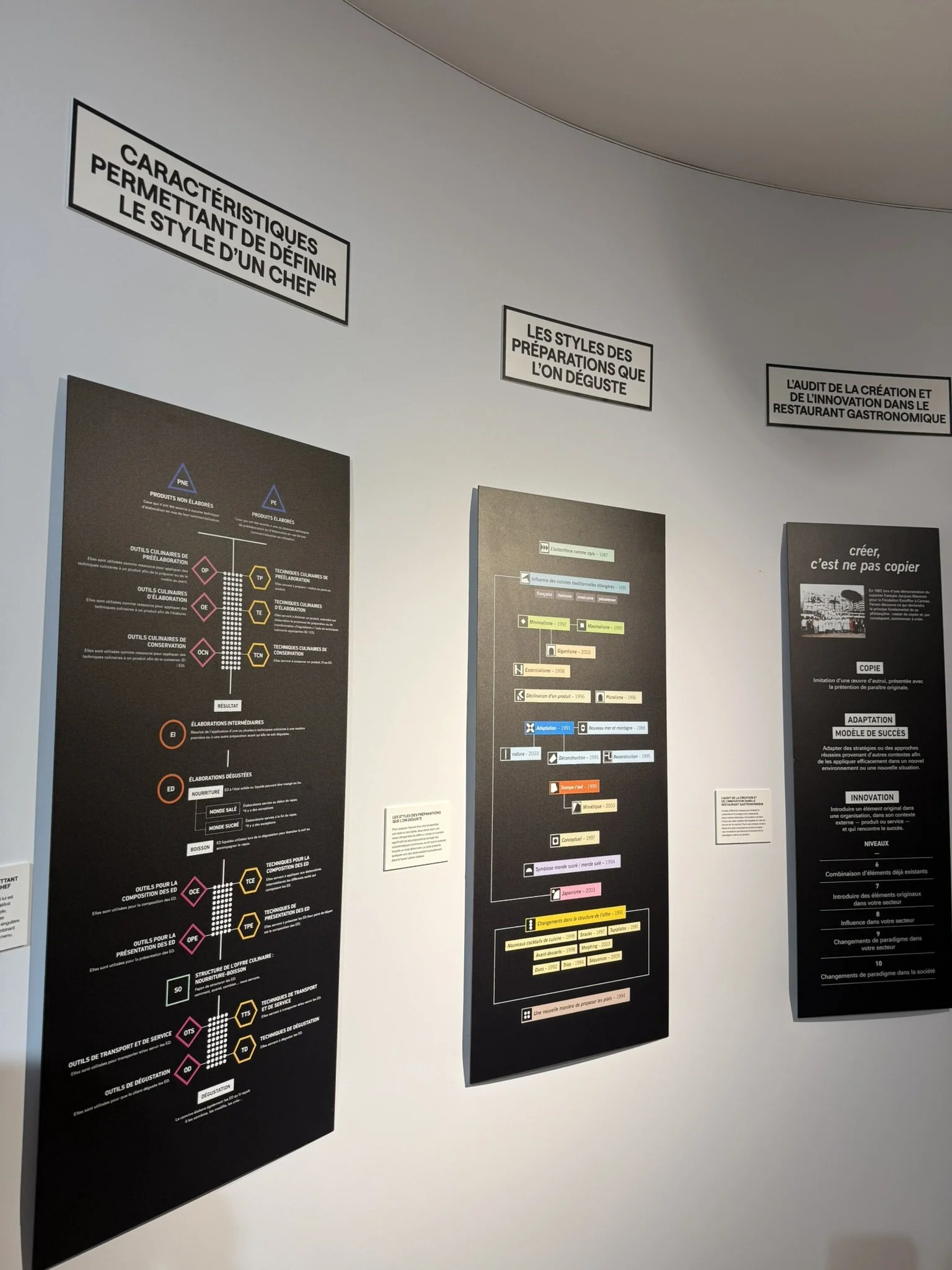
From there, we were led into a presentation on Ferran Adrià’s creative process and the way he approaches gastronomy. Food, taste, texture, form, three-dimensionality, and perception were all mapped out with a kind of intellectual precision. It gave me the distinct feeling of corporate America meeting gastronomy: logic mapping, systems thinking, and creative methodology applied to the act of eating. I found it all extremely fascinating.
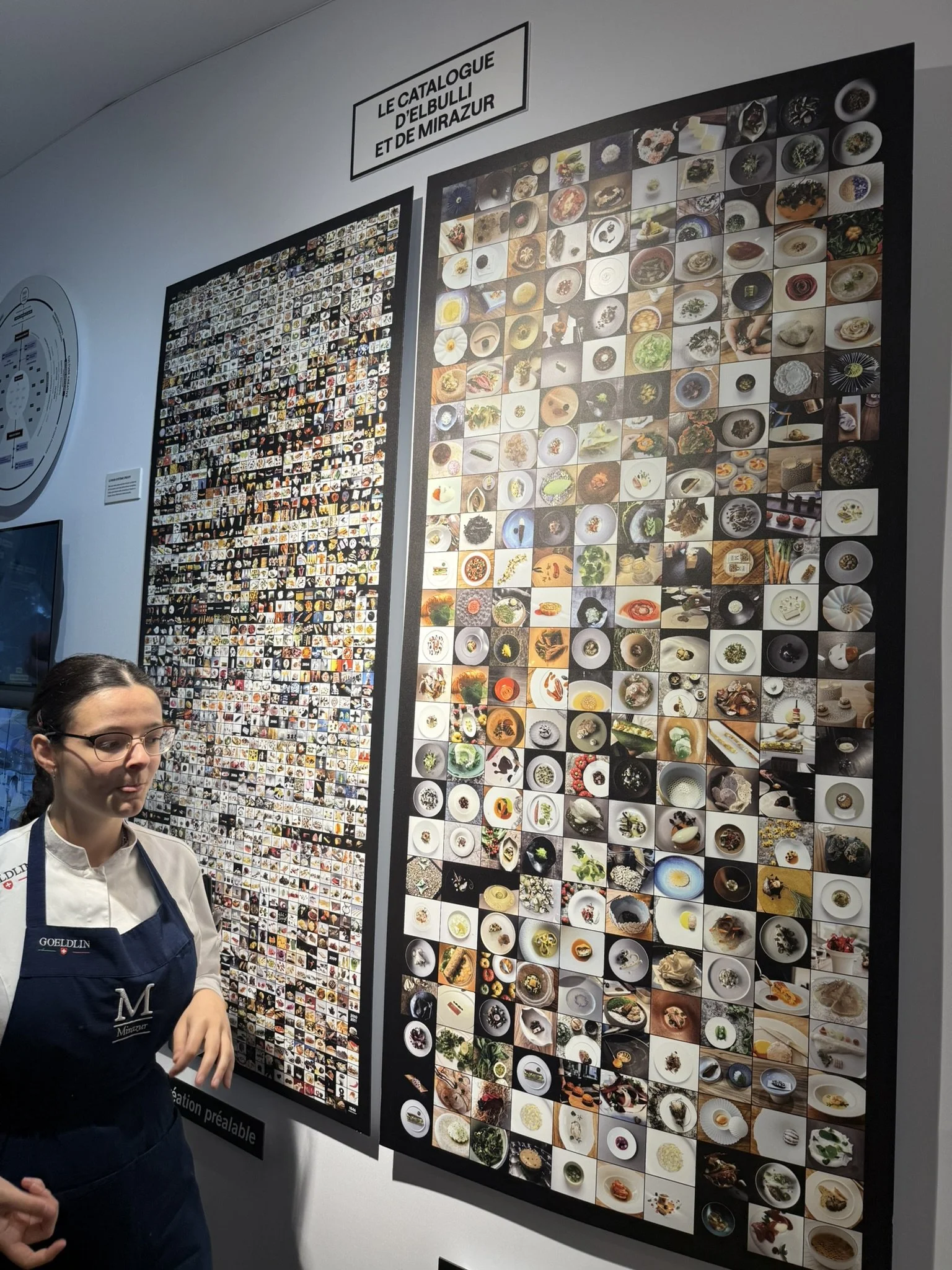
We were shown old elBulli menus, archival photographs, and the conceptual framework behind how the evening’s menu had been created. It was not simply nostalgia, but a look into the mechanics of culinary invention, how an idea becomes a dish, and how a dish becomes an experience.
At the end of this introduction, we arrived before a beautiful wall of grass and roses. We were asked to choose a rose, which would become our vessel for champagne and mark the beginning of the first of six acts: Flowers.
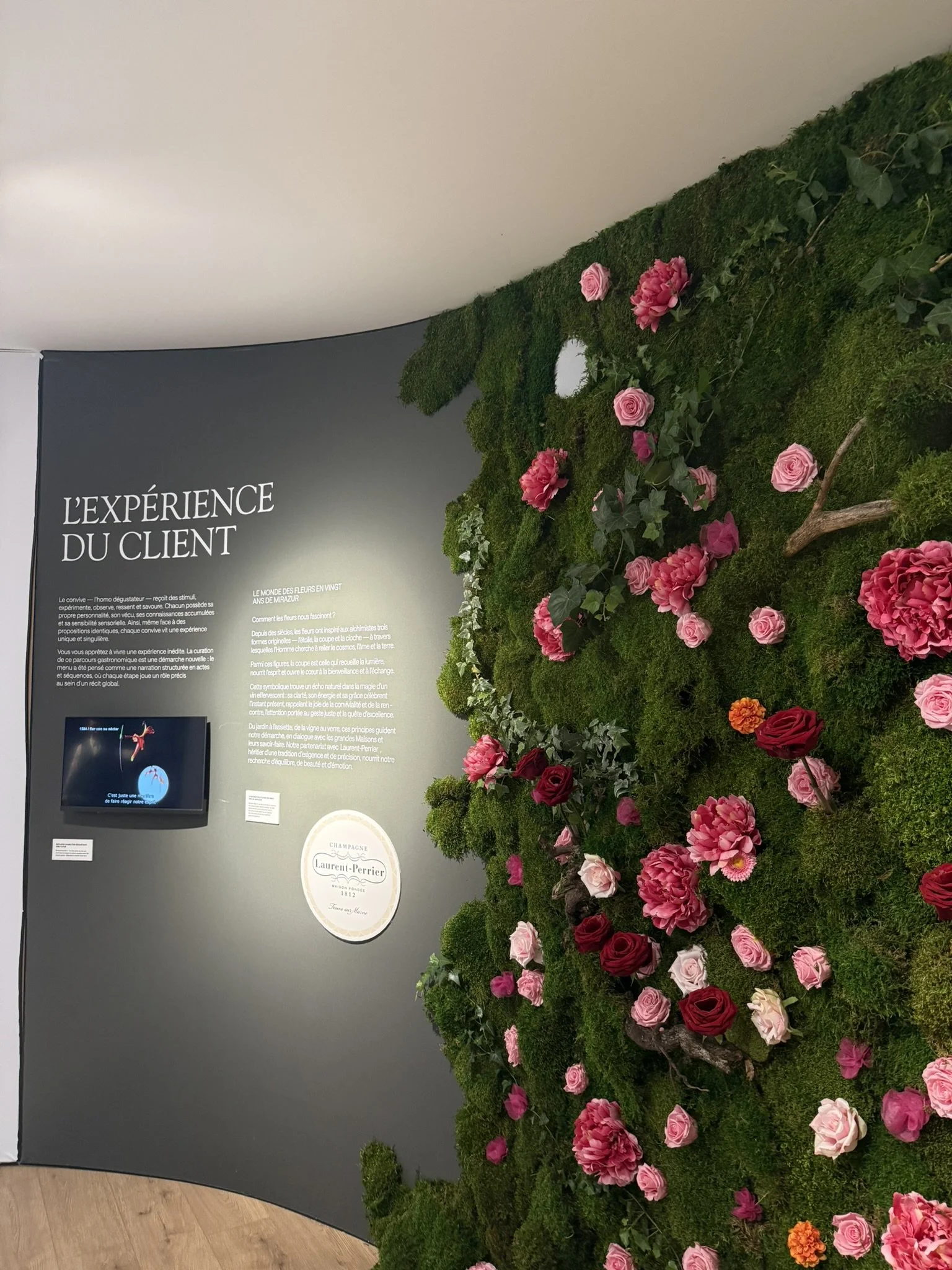
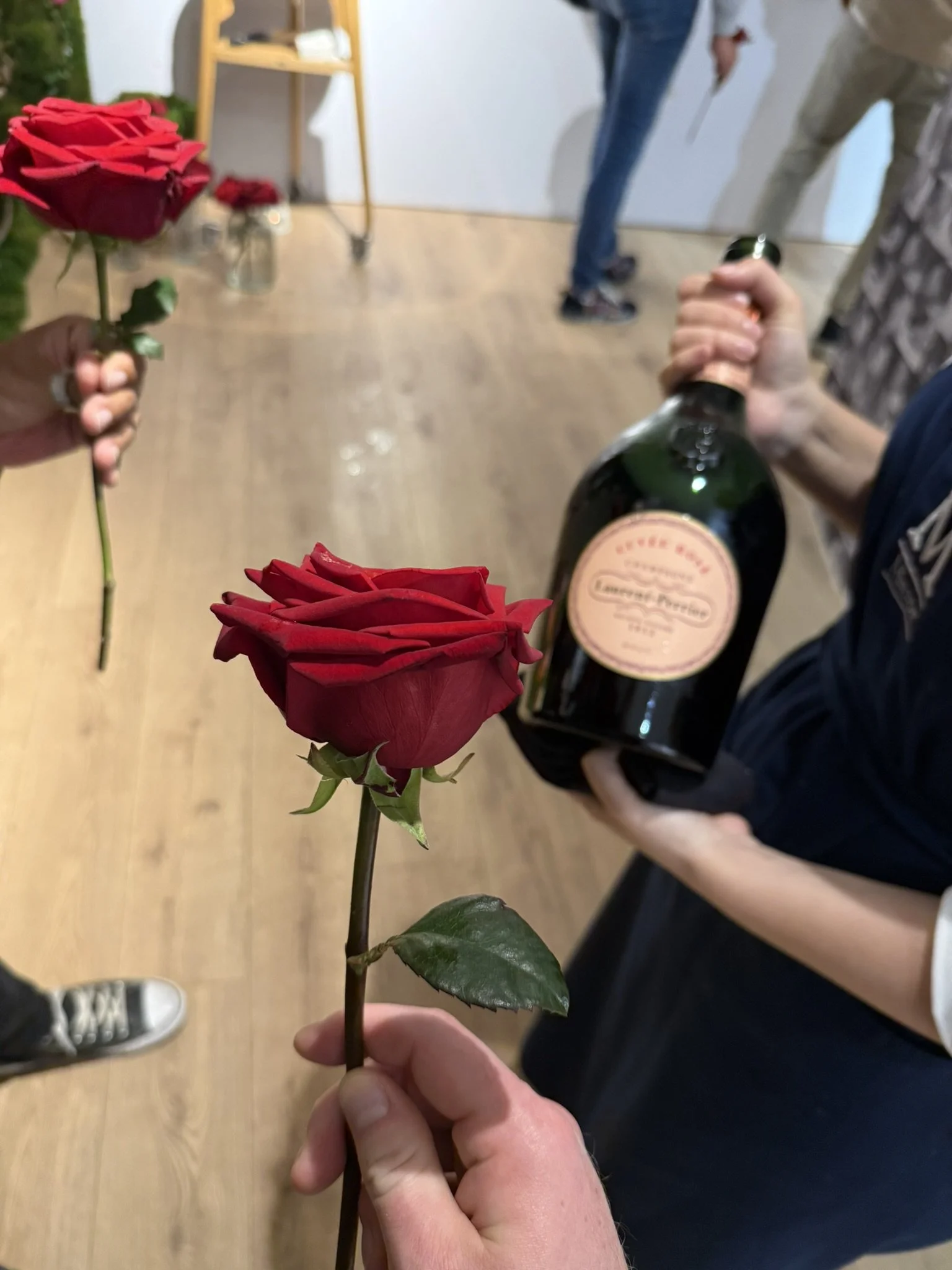
The rose was paired with Laurent-Perrier Cuvée Rosé, one of my personal favorites. The aromatic effect was lovely, offering a delicate floral lift before each sip. Did it transform the champagne as much as I expected? Not entirely. But it was graceful and memorable.
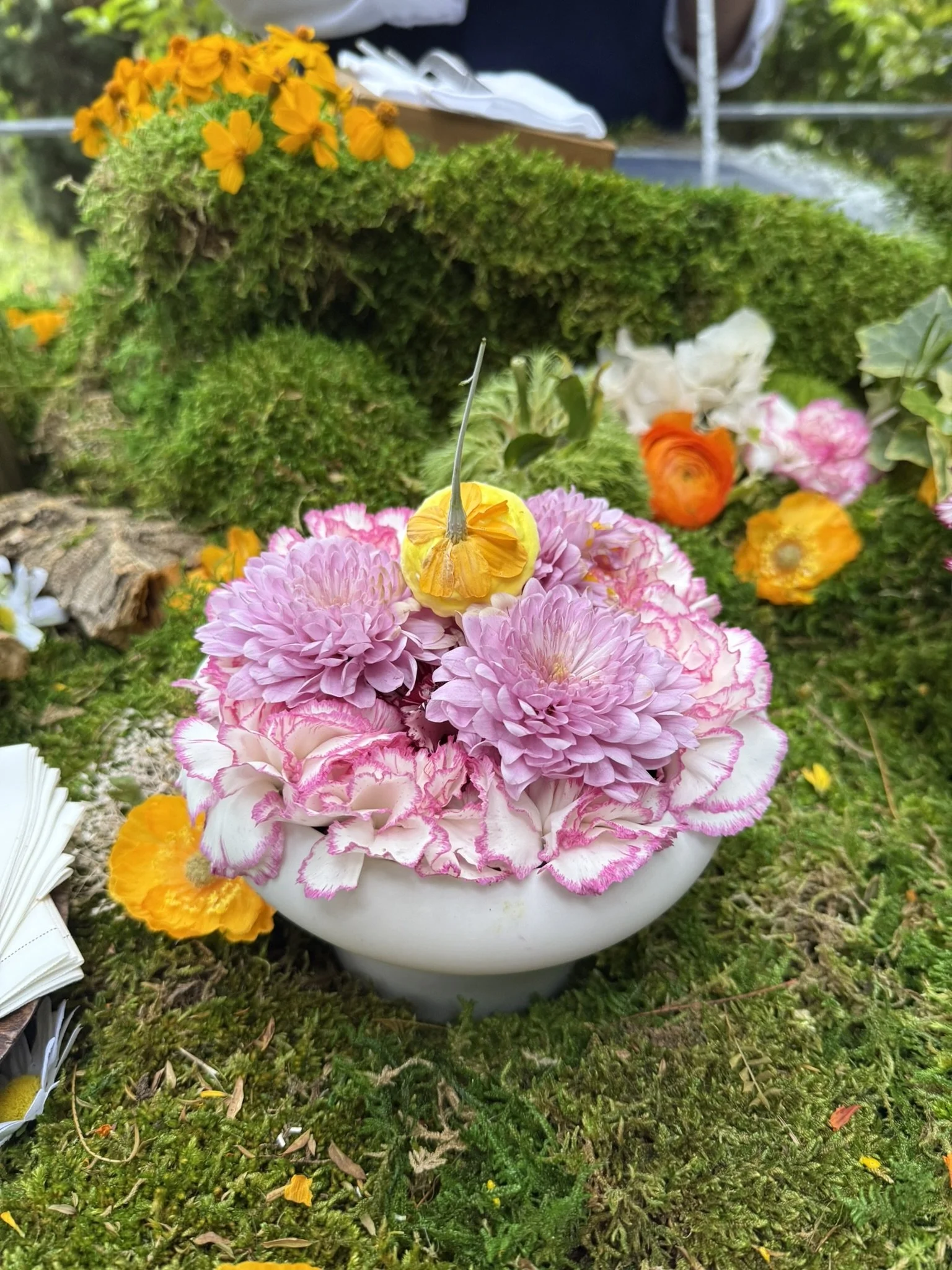
For the next part of the Flowers act, we were led back out to the patio, where a table had been arranged with a liquid nitrogen station and one of the chefs awaiting us. The bite was a génépi and citrus cocktail, finished by attaching the flower petals to the mixture before freezing it in liquid nitrogen. The result had the perfect mouthfeel: cold, delicate, and melting almost instantly. The herbaceous notes from the flowers balanced the citrus beautifully. (9.0 /10)
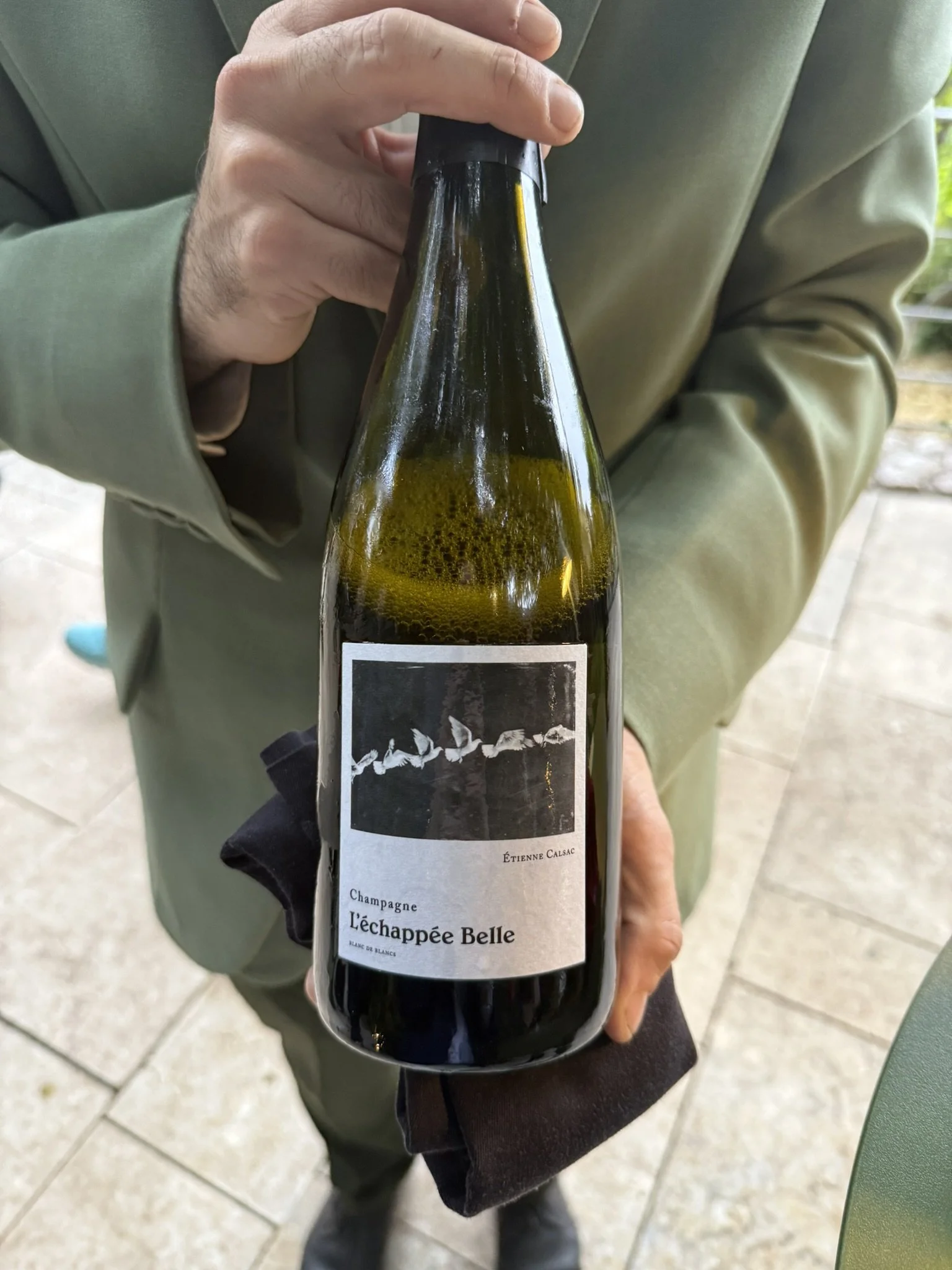
For my aperitif, I chose a champagne from a house I had never tried before: L’Échappée Belle Blanc de Blancs by Étienne Calsac. It proved to be a perfect beginning to the meal. The minerality came through clearly, making it a crisp, elegant, and refreshing way to settle into the evening.
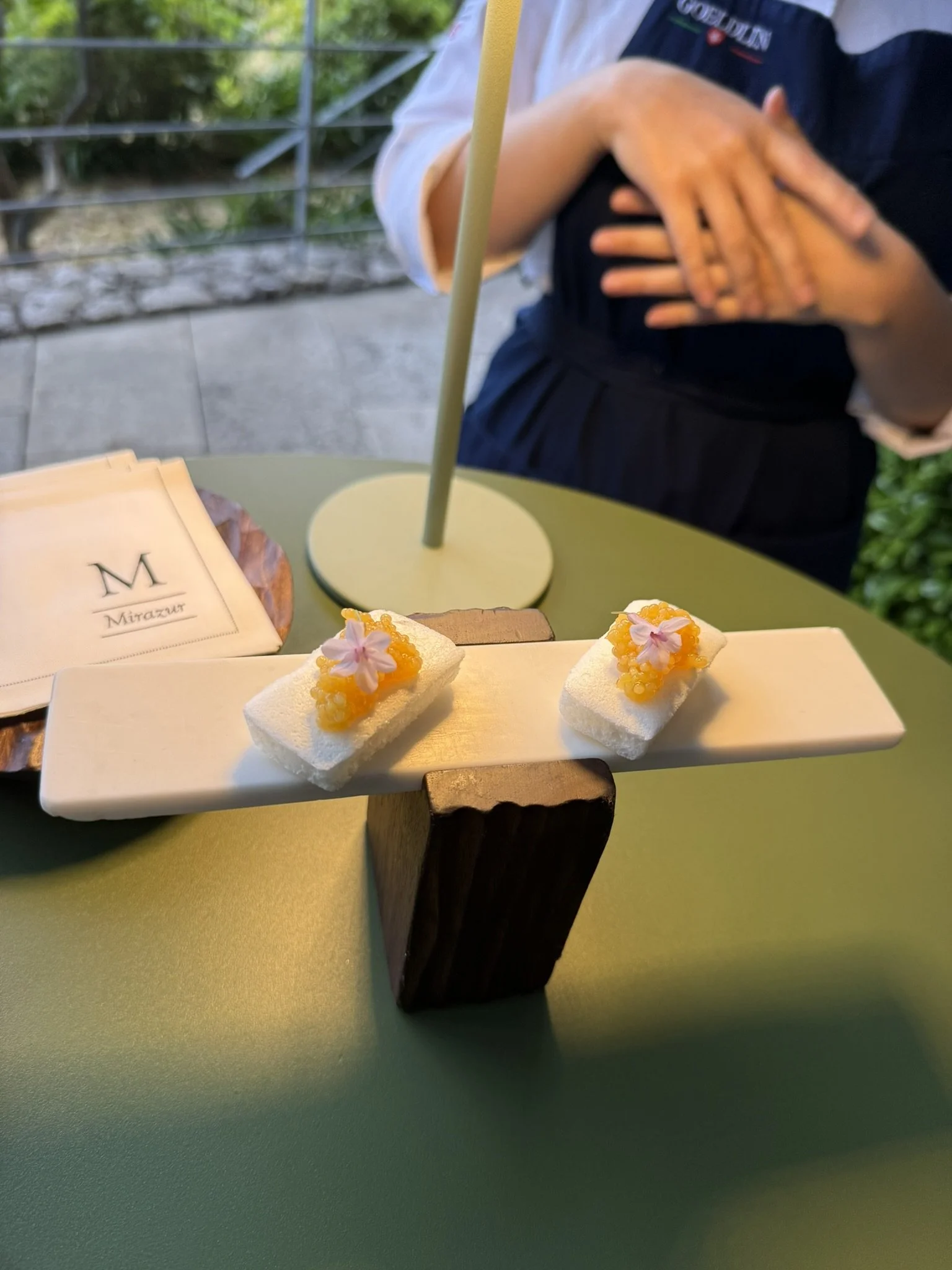
The final two amuse-bouches of the act followed. First came a salted meringue topped with Rova House white caviar. I found it a touch too salty and slightly overpowering. (6.5 /10)
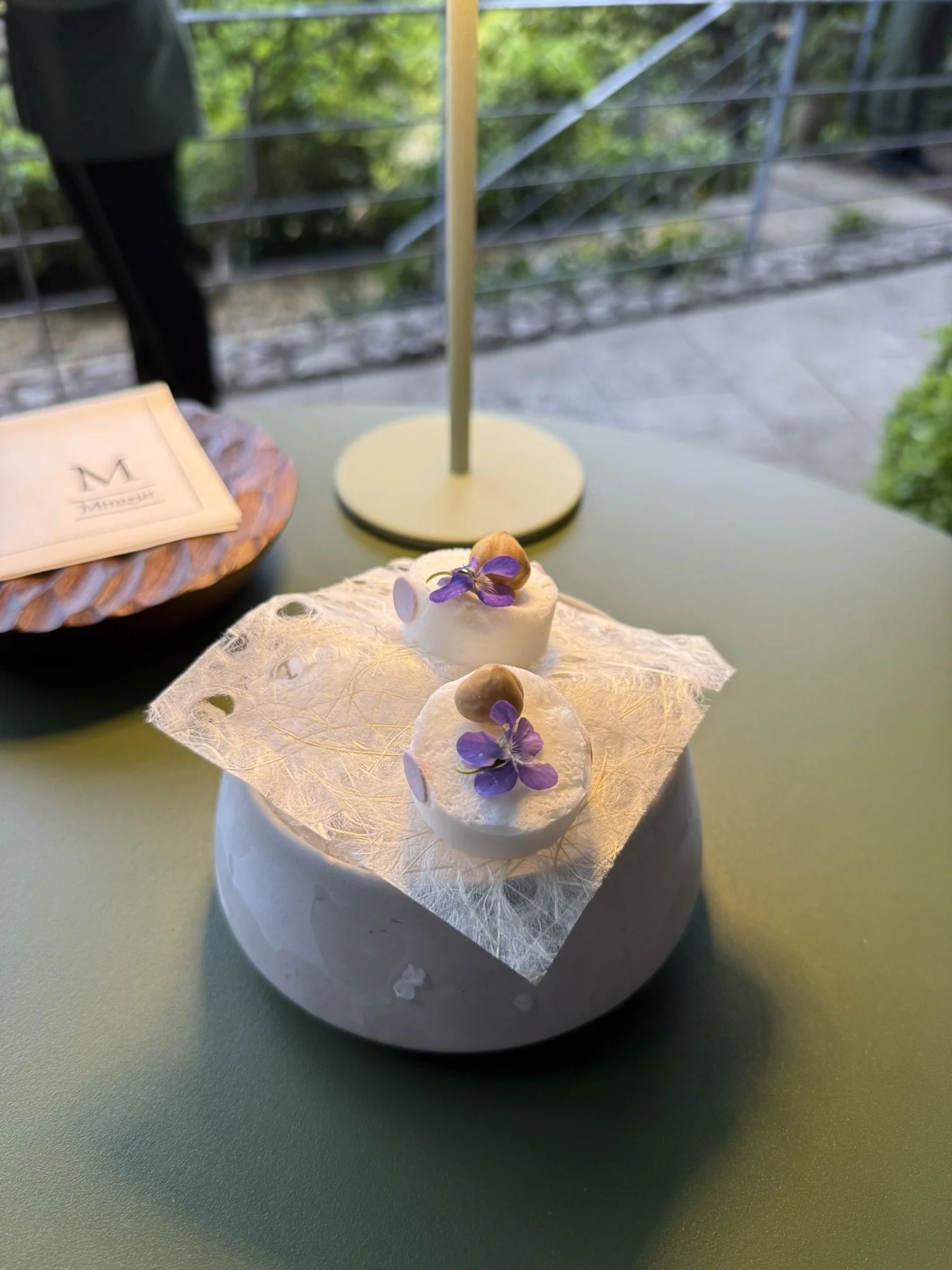
The next, however, was one of my favorite bites of the entire evening: the ephemeral violet. Goat cheese met violet flower topped with a local hazelnut in a composition that was delicate, fragrant, and beautifully balanced. It was truly unique, and one of those bites I immediately wished I could have again. (9.5 /10)
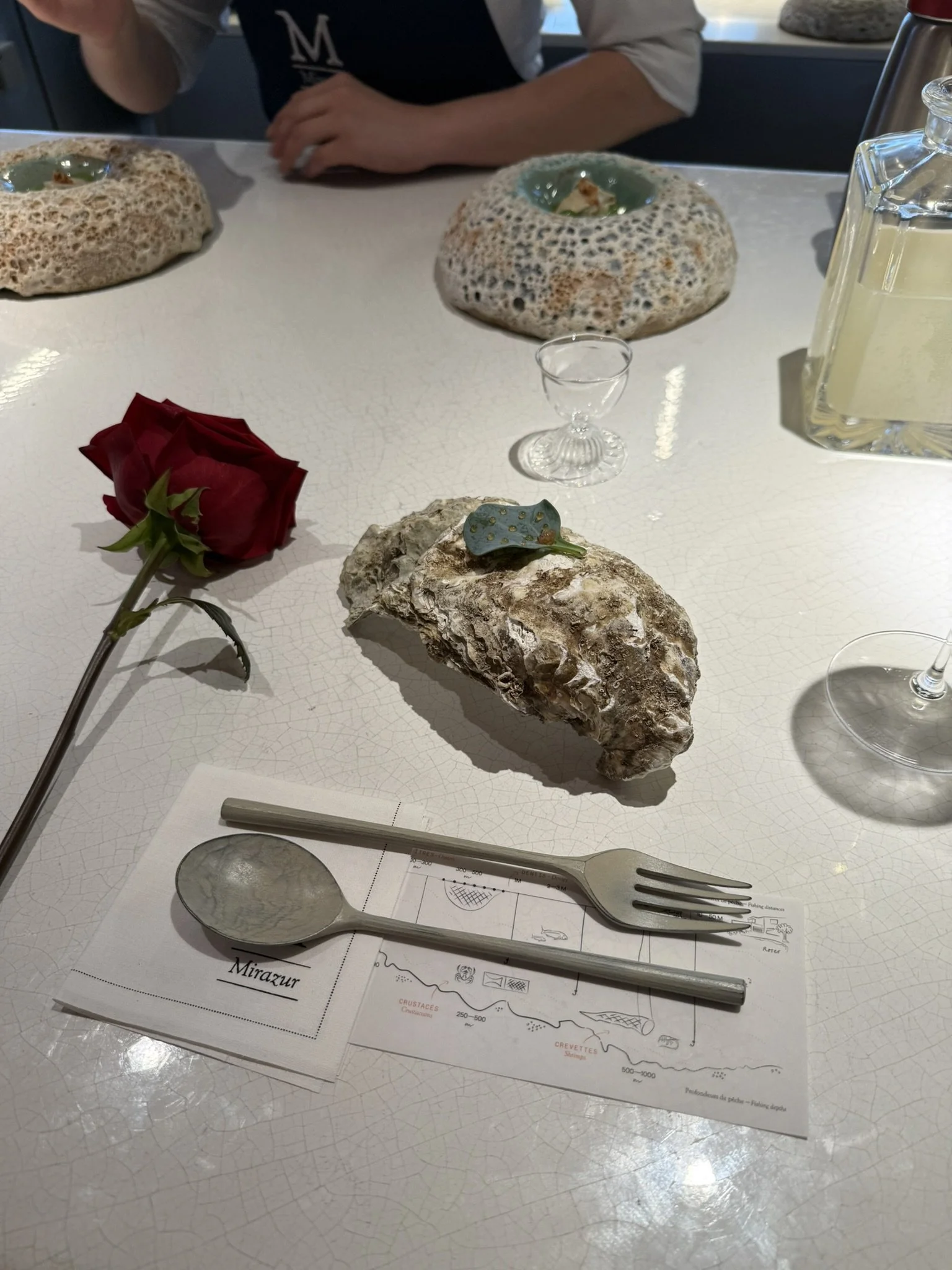
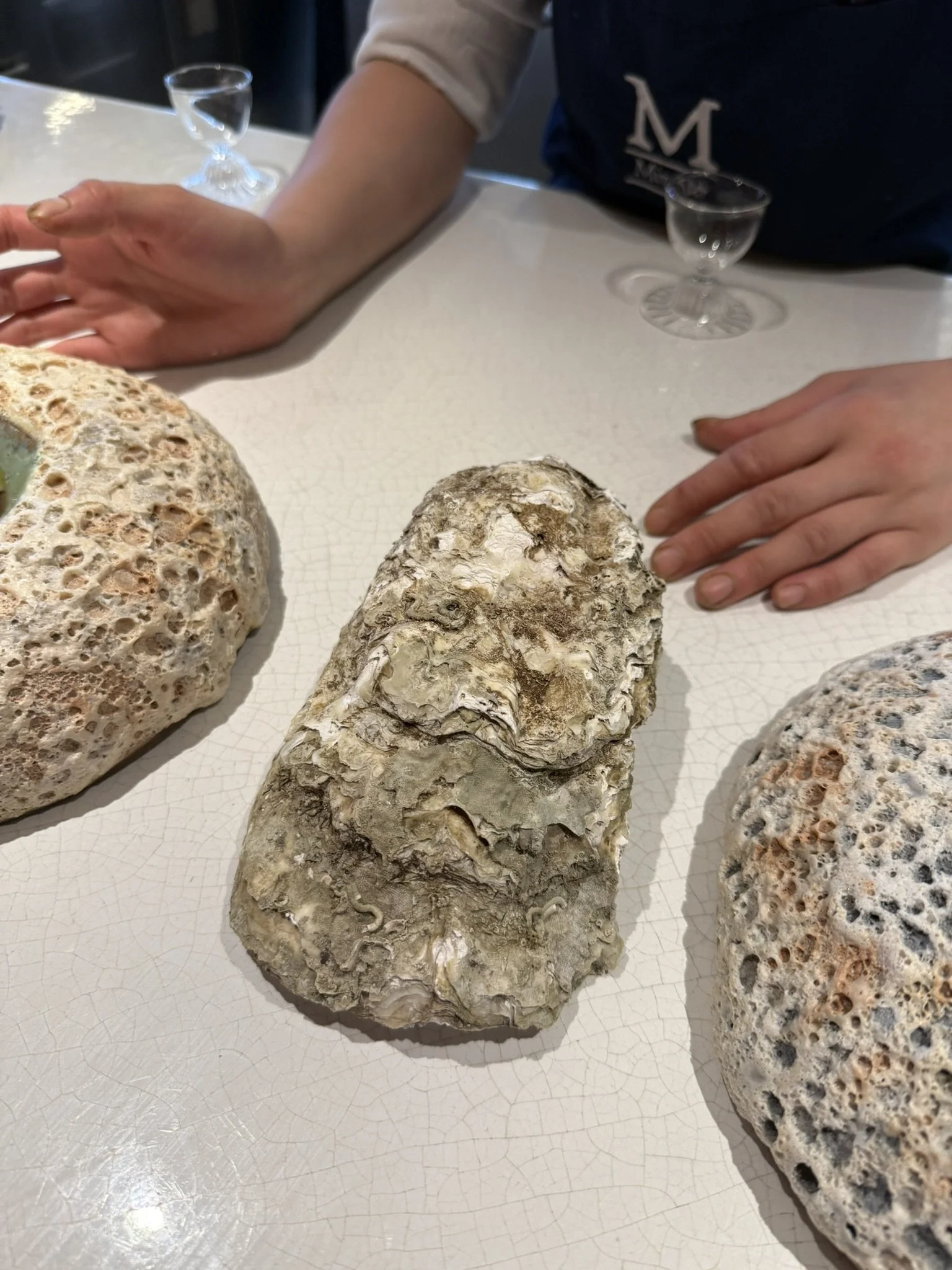
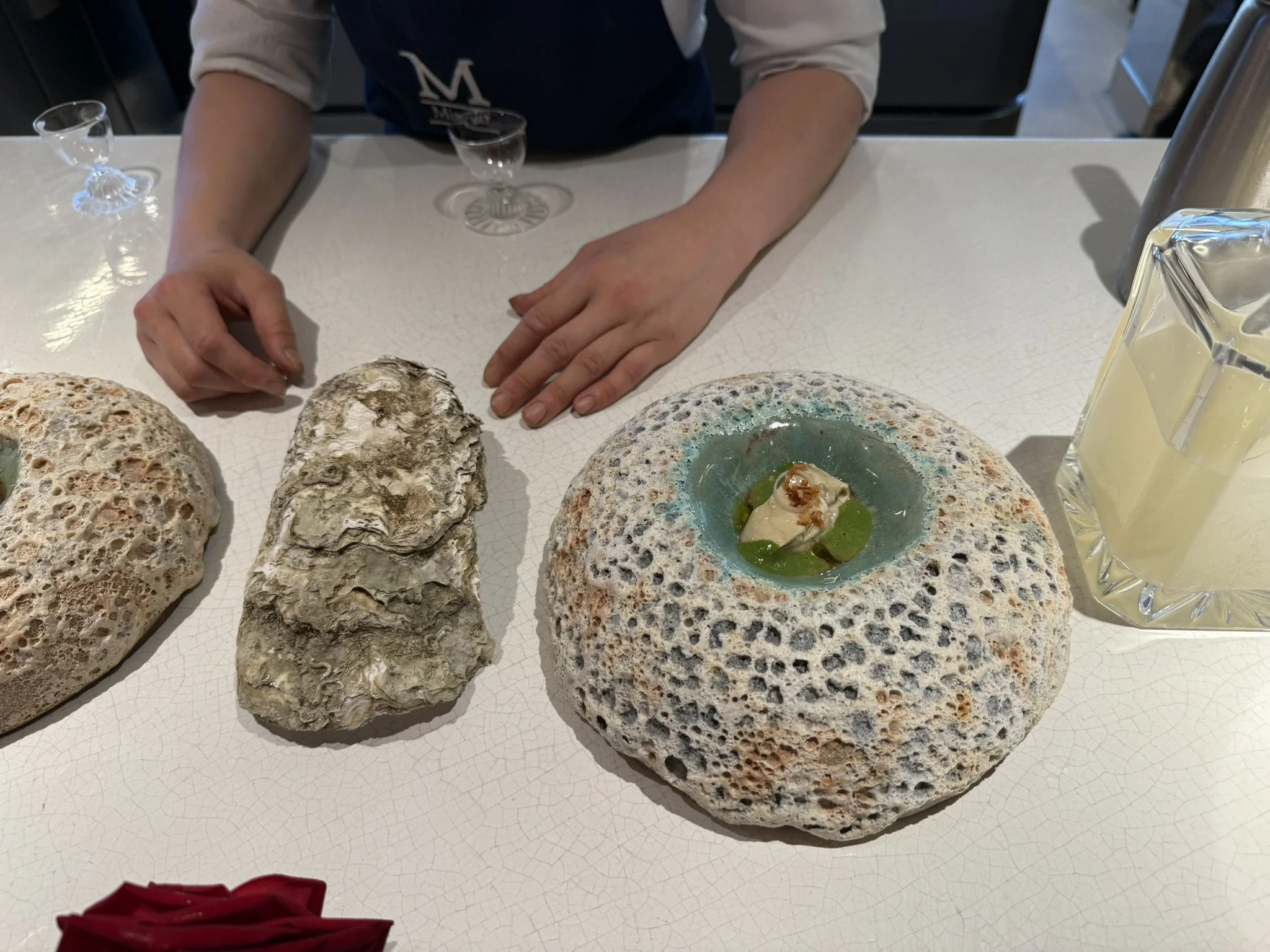
With that, we were taken into the kitchen, where I had the pleasure of briefly speaking with Mauro himself. There, we were served the final amuse: an oyster presented in three different expressions. It began with an oyster leaf, followed by oyster water, and finished with the most tasteful oyster. The progression remained shockingly light and vibrant, tasting purely and beautifully of the sea. (7.5 /10)
Finally, we were led into the dining room.
I was met with an expansive view of the French Riviera. The sky was slightly overcast that evening, but the atmosphere inside was light, buzzing, and filled with anticipation. After such an imaginative opening, I could not wait to see where the rest of the night would take us.
We then moved into the second act of the evening: Ode to Nature.
Having been fairly familiar with Mirazur’s work before this dinner, this was the act I had been looking forward to most. Mauro’s cooking has always seemed deeply tied to the natural world, not in a superficial or decorative sense, but in a way that feels rooted in place, season, and the quiet complexity of the garden.
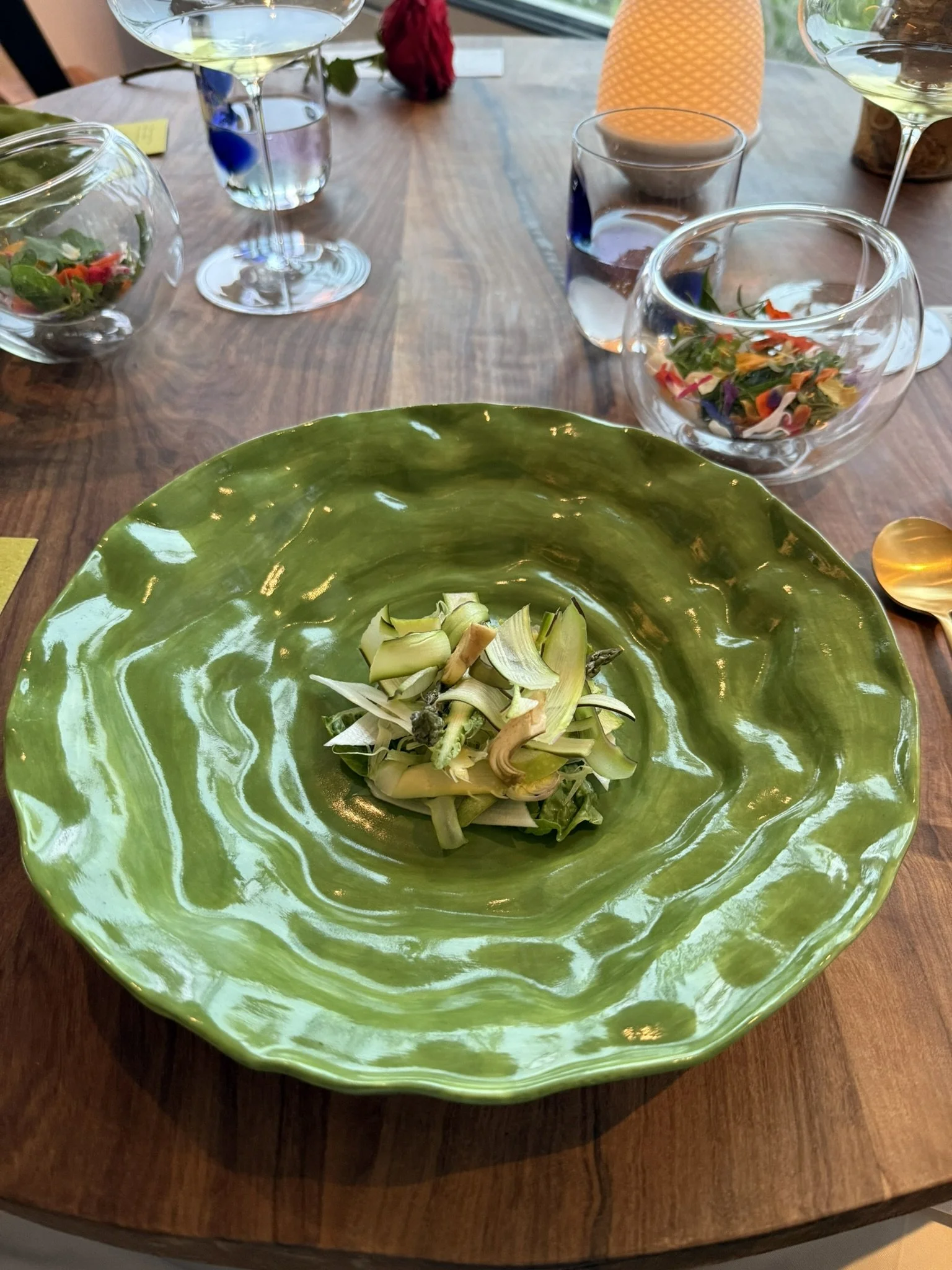
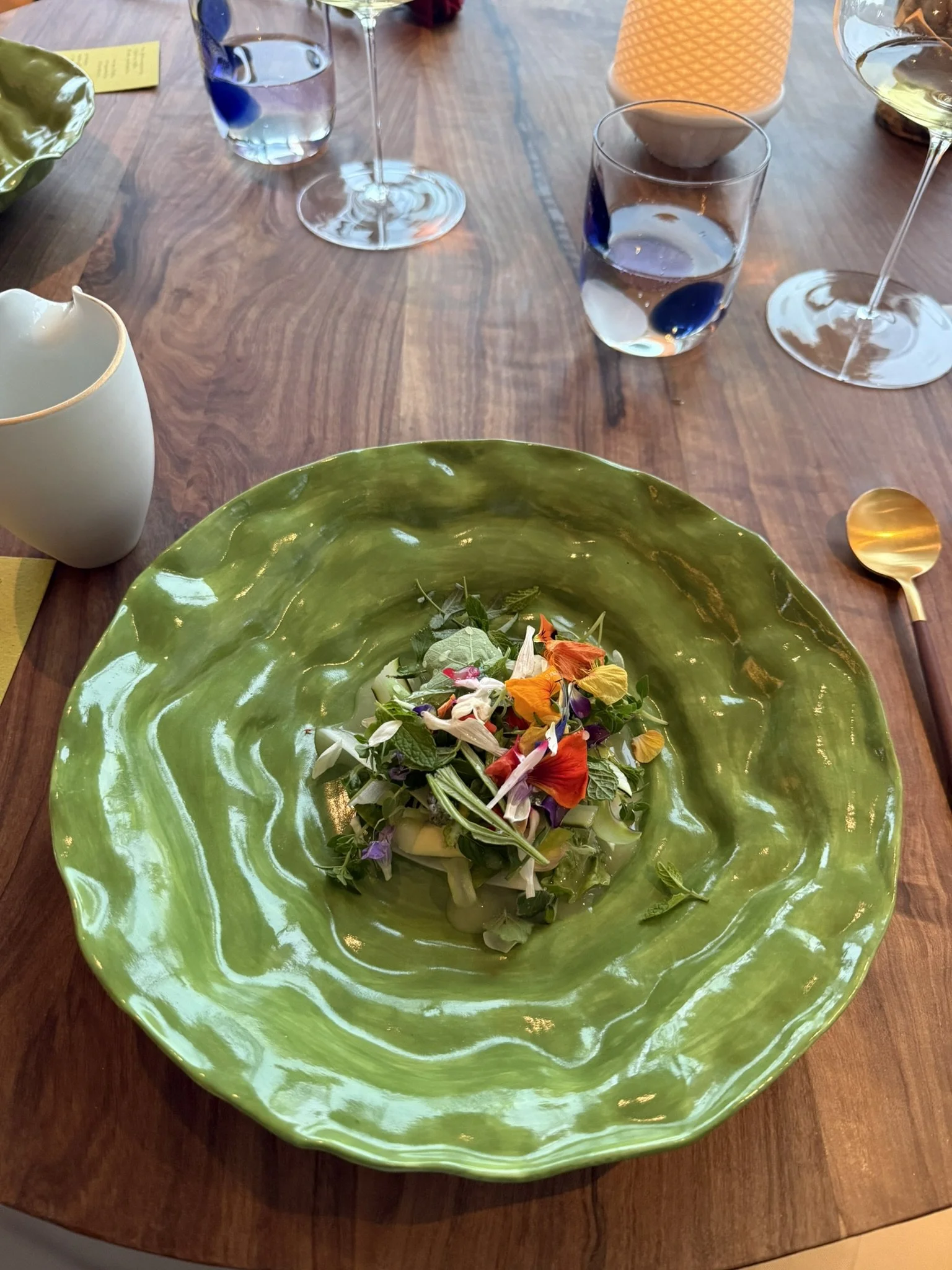
The first dish was an asparagus salad from Mirazur’s garden, composed with an abundance of vegetables and herbs. We were asked to eat the salad with precision tongs, before pouring over a floral assemblage finished with tomato water. It was bright, vibrant, and acidic, allowing the vegetables to shine with remarkable clarity. There was a purity to the dish that felt almost effortless, though clearly the result of immense restraint and intention. It was, in many ways, nearing perfection. (9.0 /10)
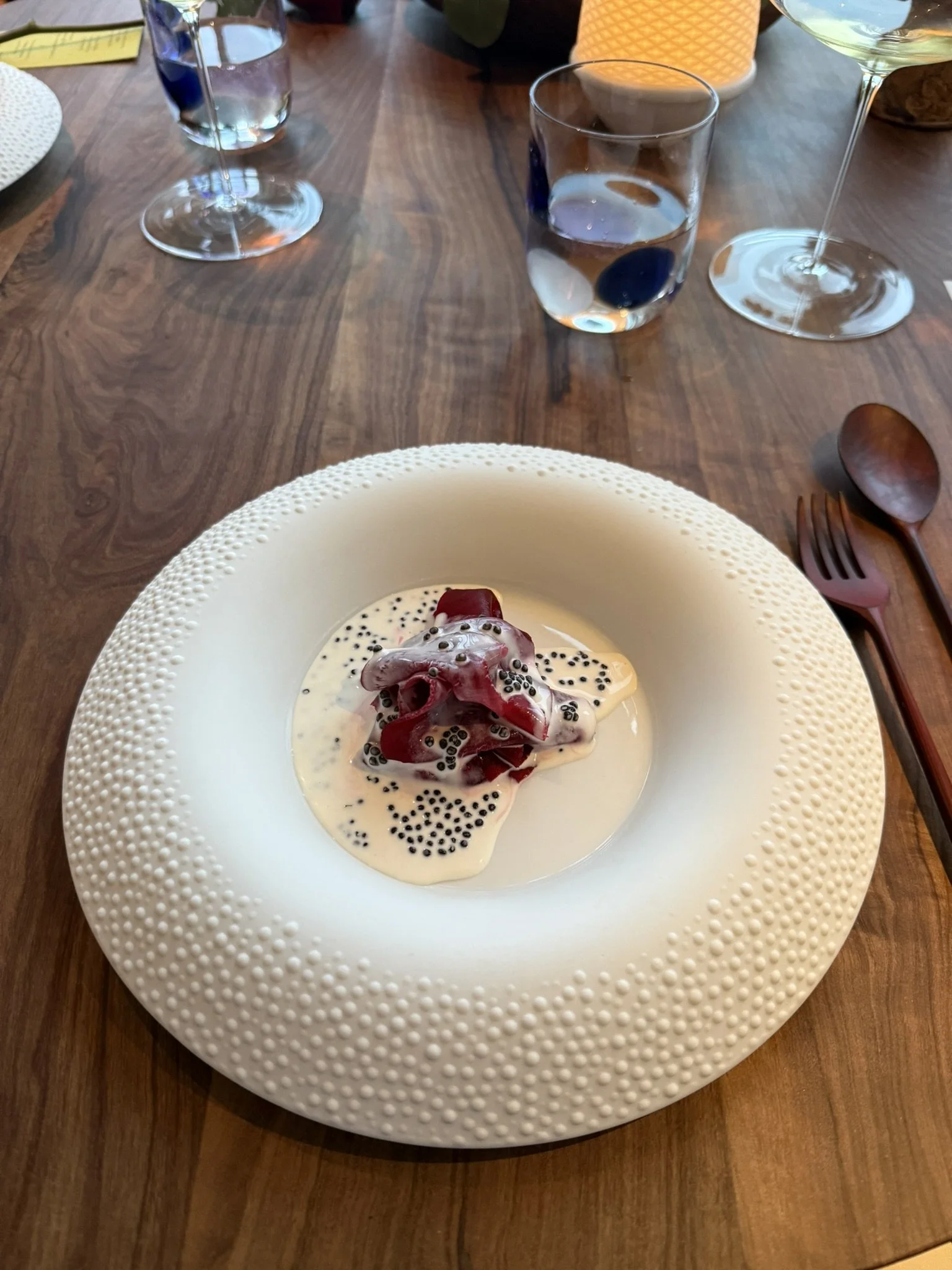
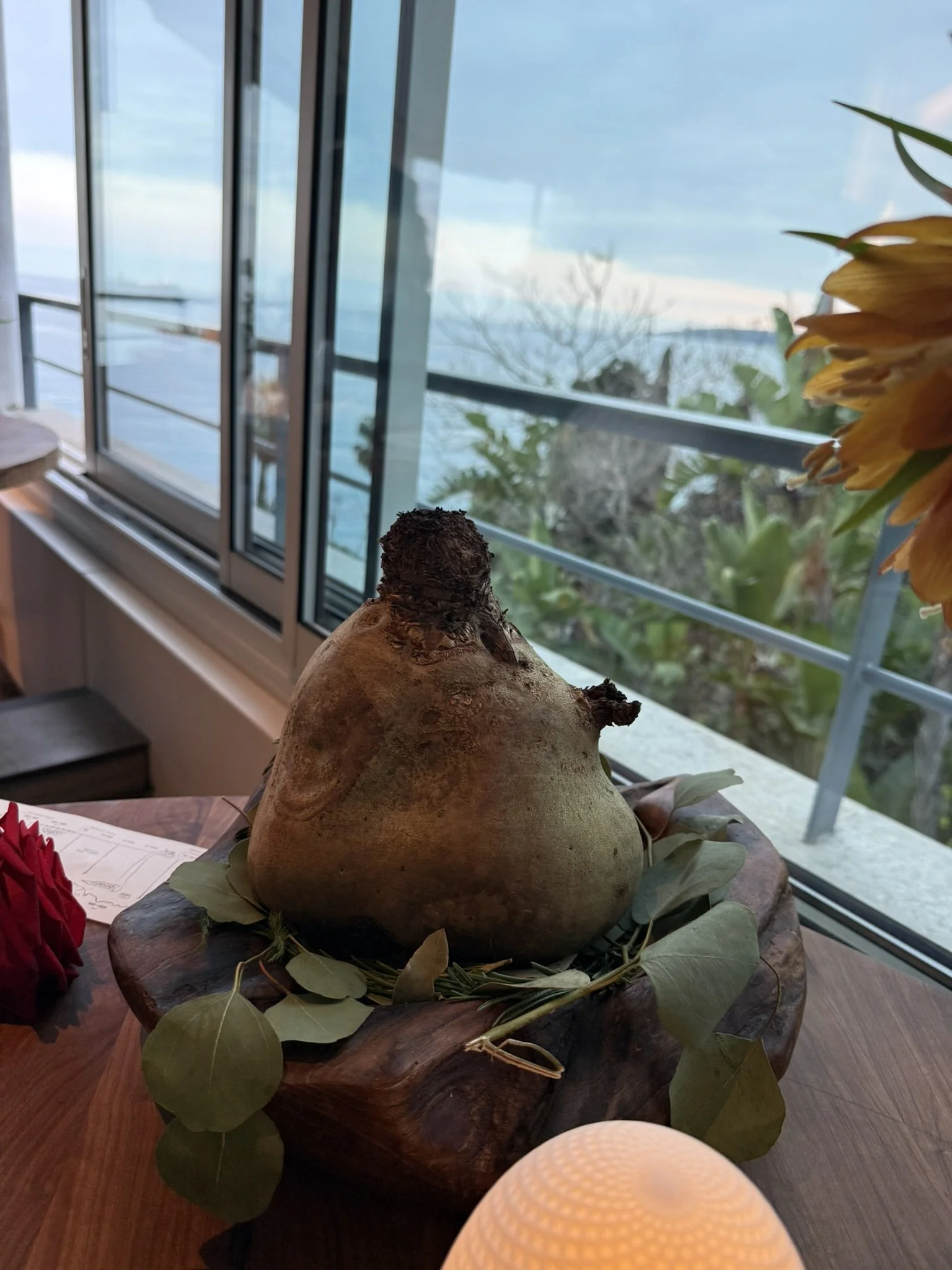
Next came a Mirazur classic built around three simple ingredients: beetroot, cream, and caviar. What else can I say other than that it was an absolute masterclass in allowing simplicity to speak for itself. The sweetness and earthiness of the beetroot, the richness of the cream, and the salinity of the caviar came together with complete confidence. Nothing felt excessive, nothing needed explaining, and yet the dish lingered. It was a reminder that, at this level, restraint can be just as powerful as invention. (9.5 /10)
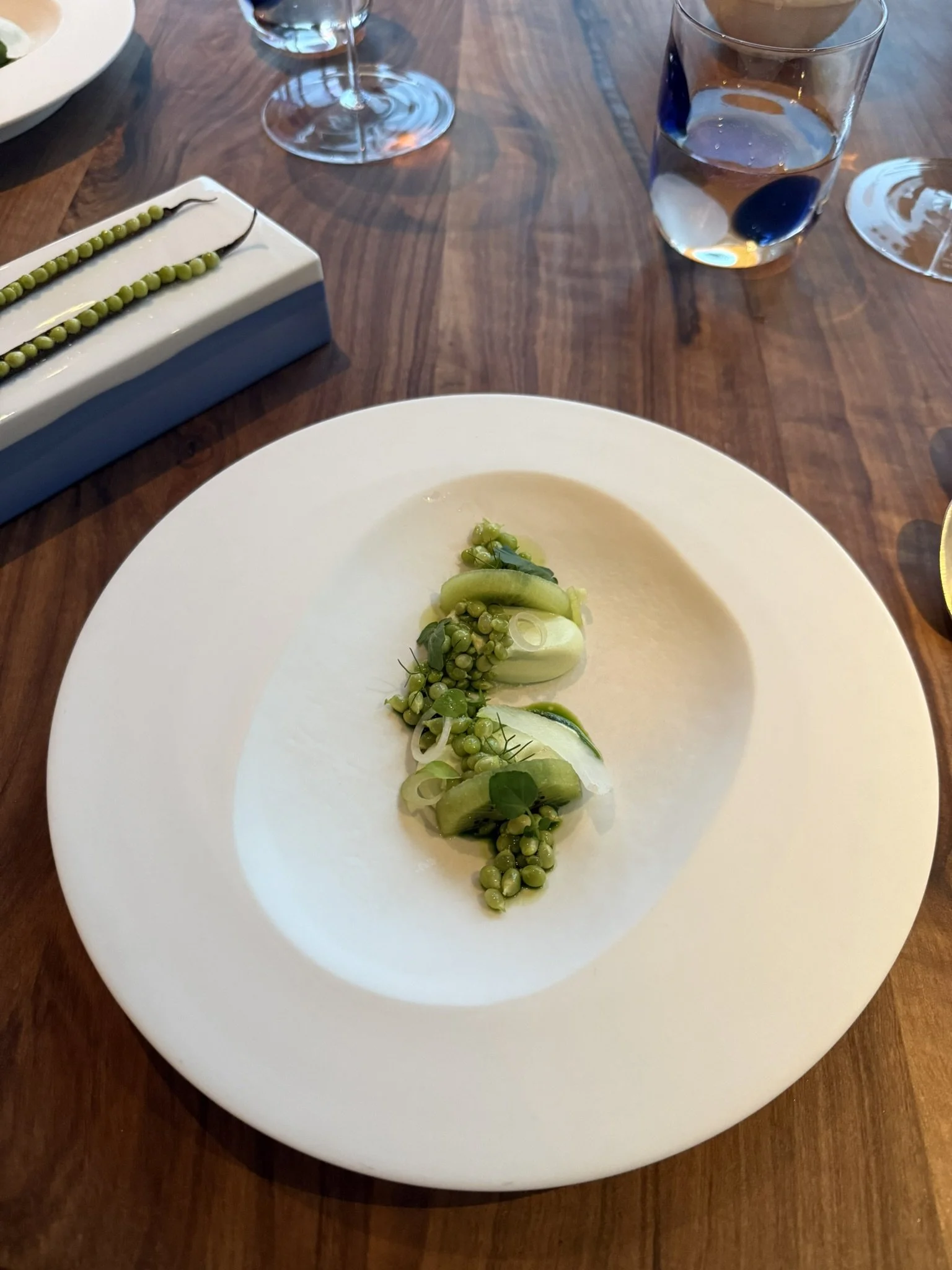
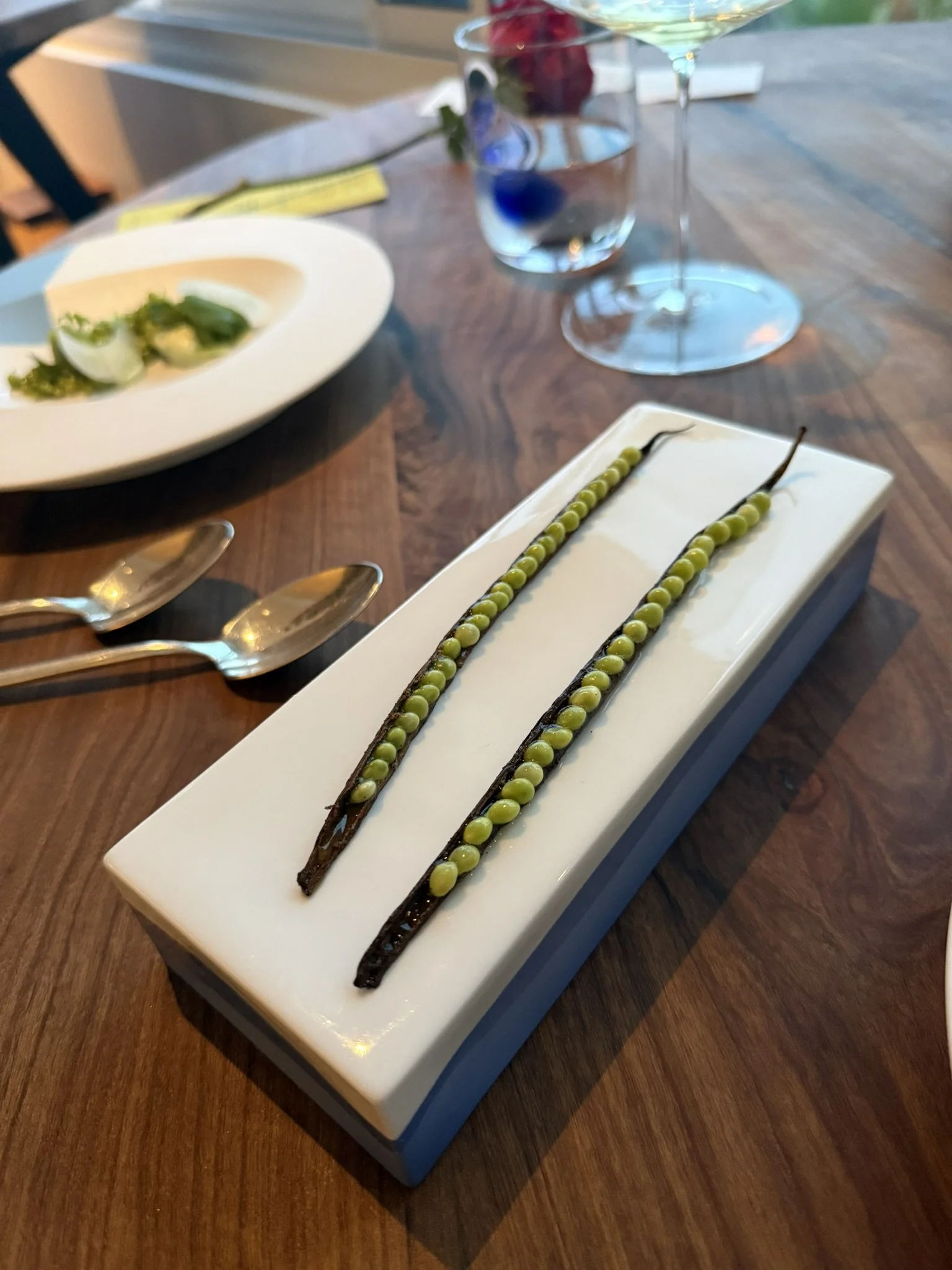
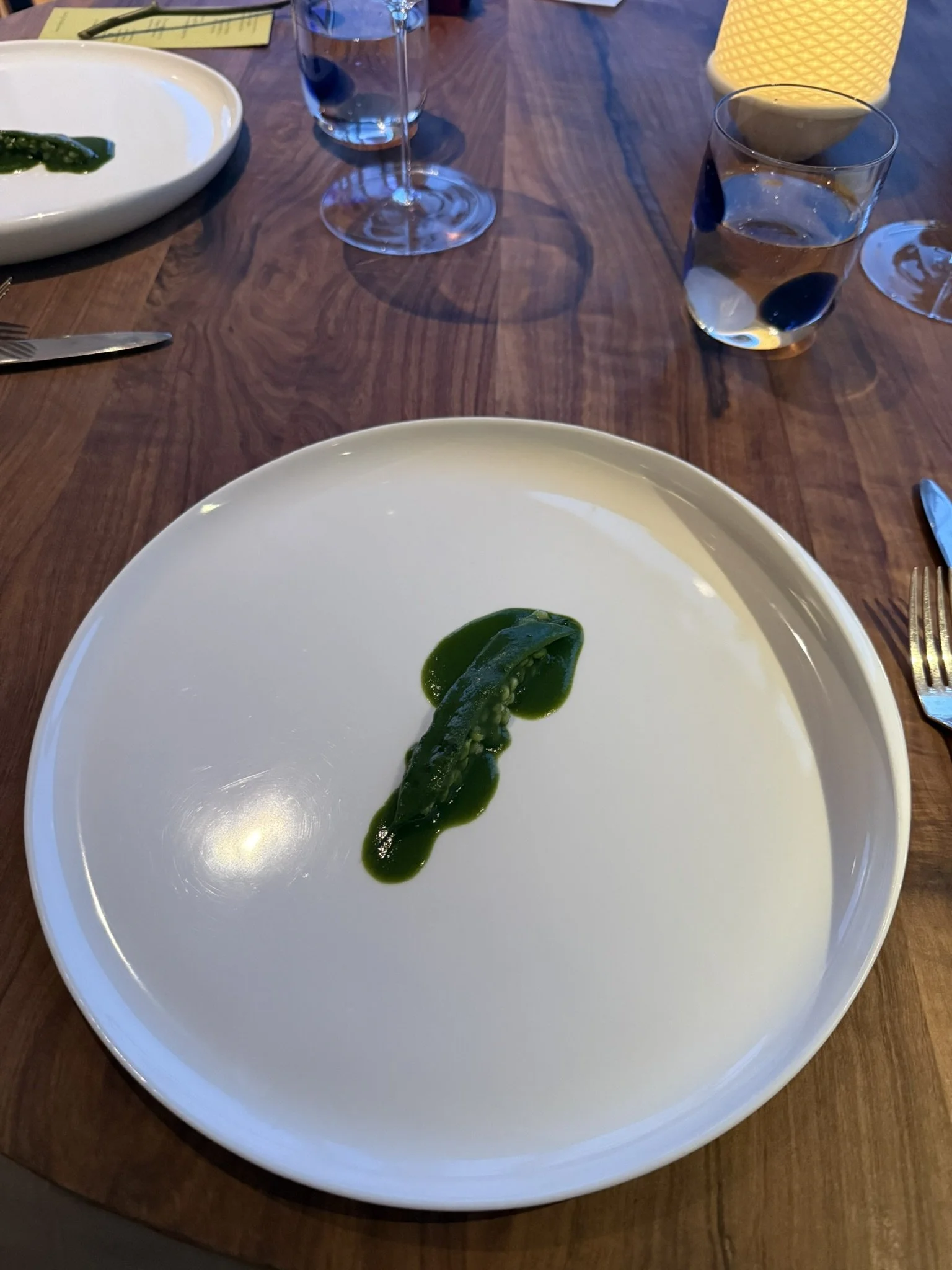
The next course in this act centered on peas, presented in three distinct expressions.
The main dish brought together peas, yogurt, and kiwi. It was impressively balanced, with the sweetness of the peas and the brightness of the kiwi working in harmony. At moments, the yogurt felt slightly overextended and came close to overpowering the dish, but the overall impression remained deeply rooted in the flavor of the pea itself.
The second preparation was more playful: peas aligned along a vanilla pod, each resting over a small touch of passion-fruit gel. We were instructed to eat it like corn on the cob. The aroma of the vanilla was immediate and quite pronounced, guiding the course before the first bite. The natural sweetness and earthiness of the peas played beautifully against the acidity of the passion fruit, making for a clever and thoroughly enjoyable interlude.
Finally came a dish that felt like the pure embodiment of a pea. The skin of the sweet pea had been perfectly charred, bringing a subtle smokiness and depth, while the chlorophyll-rich pea sauce was exemplary in its intensity. Each individual pea seemed to pop with sweetness, making the dish both technically precise and genuinely fun to eat. (9.0 /10)
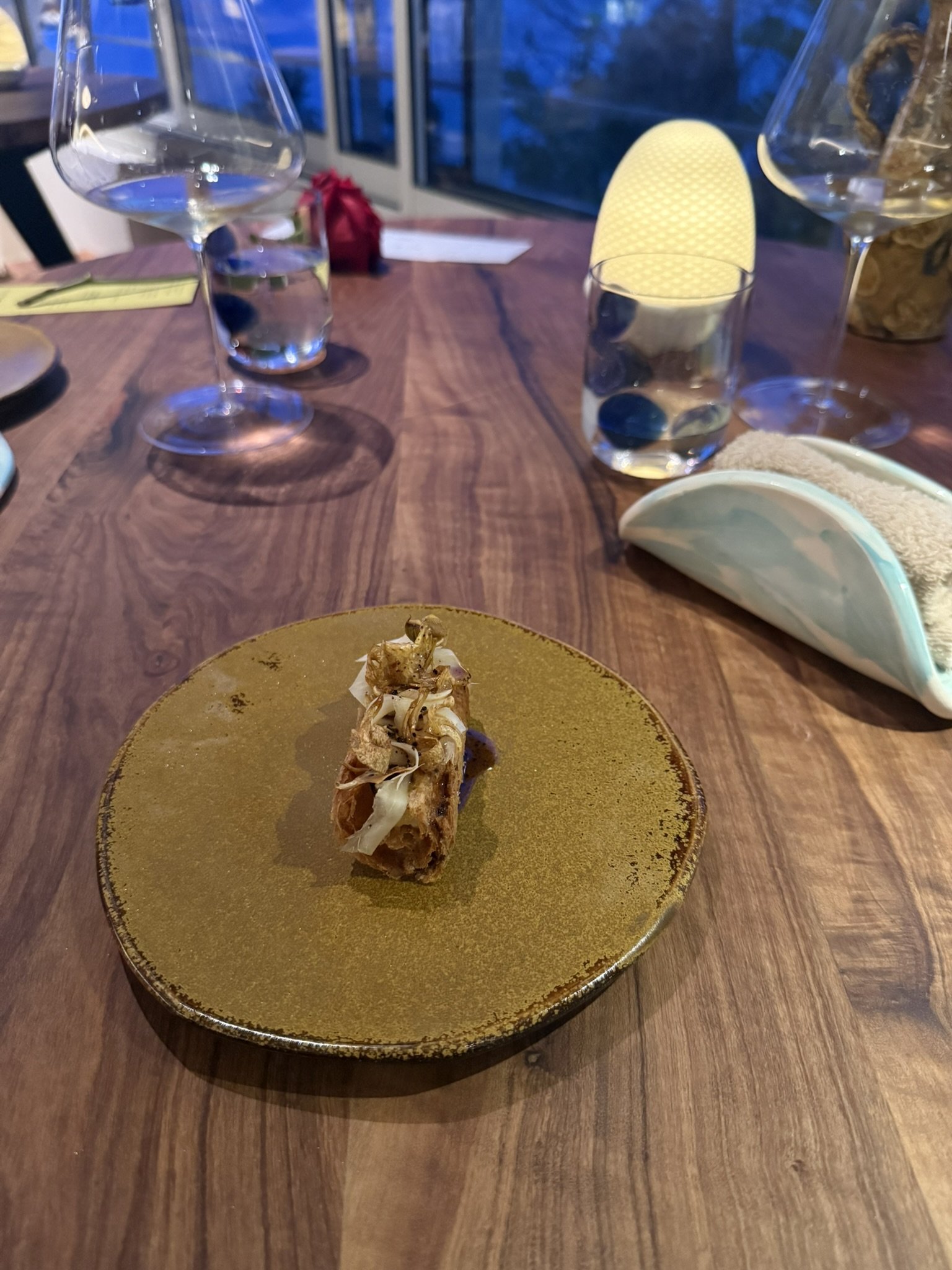
And finally, to close the act, came an artichoke tarte and unfortunately this was where the meal began to head downhill.
There would still be one or two courses later in the evening that genuinely delighted, but from this point onward, many of the dishes that felt more or less directly guided by Ferran seemed to lack the cohesion that had made the earlier courses so compelling.
The tarte itself was beautifully executed: perfectly fried, incredibly delicate, and finished with a Madeira reduction. As a bite, it had the possibility of being truly pleasant. It had finesse. Still, I found myself wishing for something to cut through the sauce. Without that, the reduction became slightly cloying, and the dish, while technically refined, felt heavier than it needed to be. (7.5 /10)
Mirazur x Ferran Adrià
Visit WebsiteChef de Cuisine: Mauro Colagreco x Ferran Adrià
Location: Menton, France
Date of Visit: 04.26.2026

Three Michelin Stars
